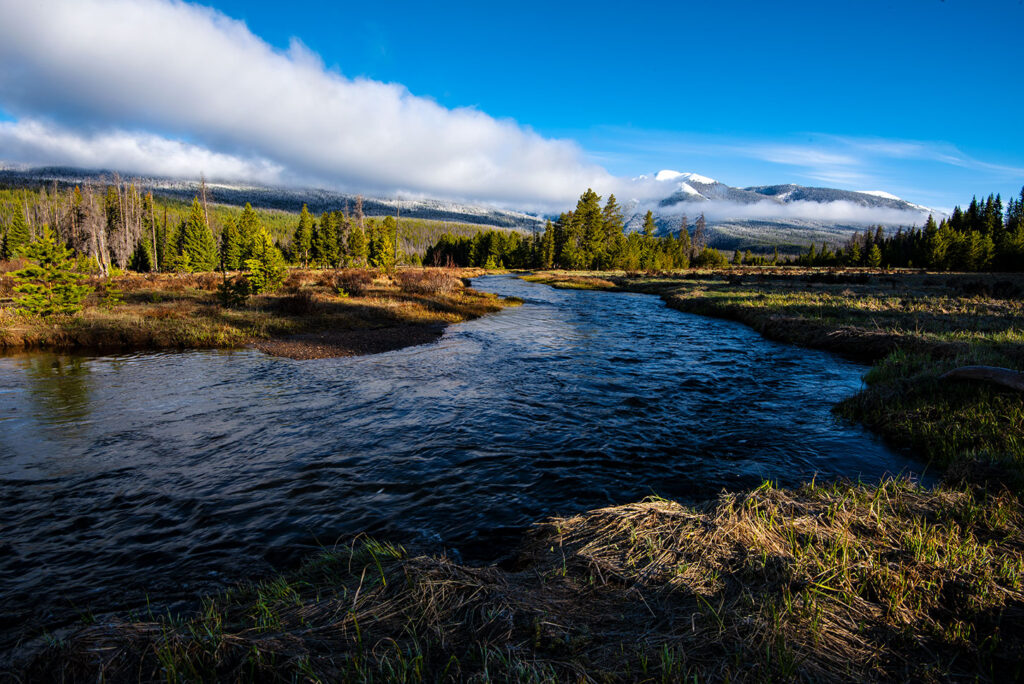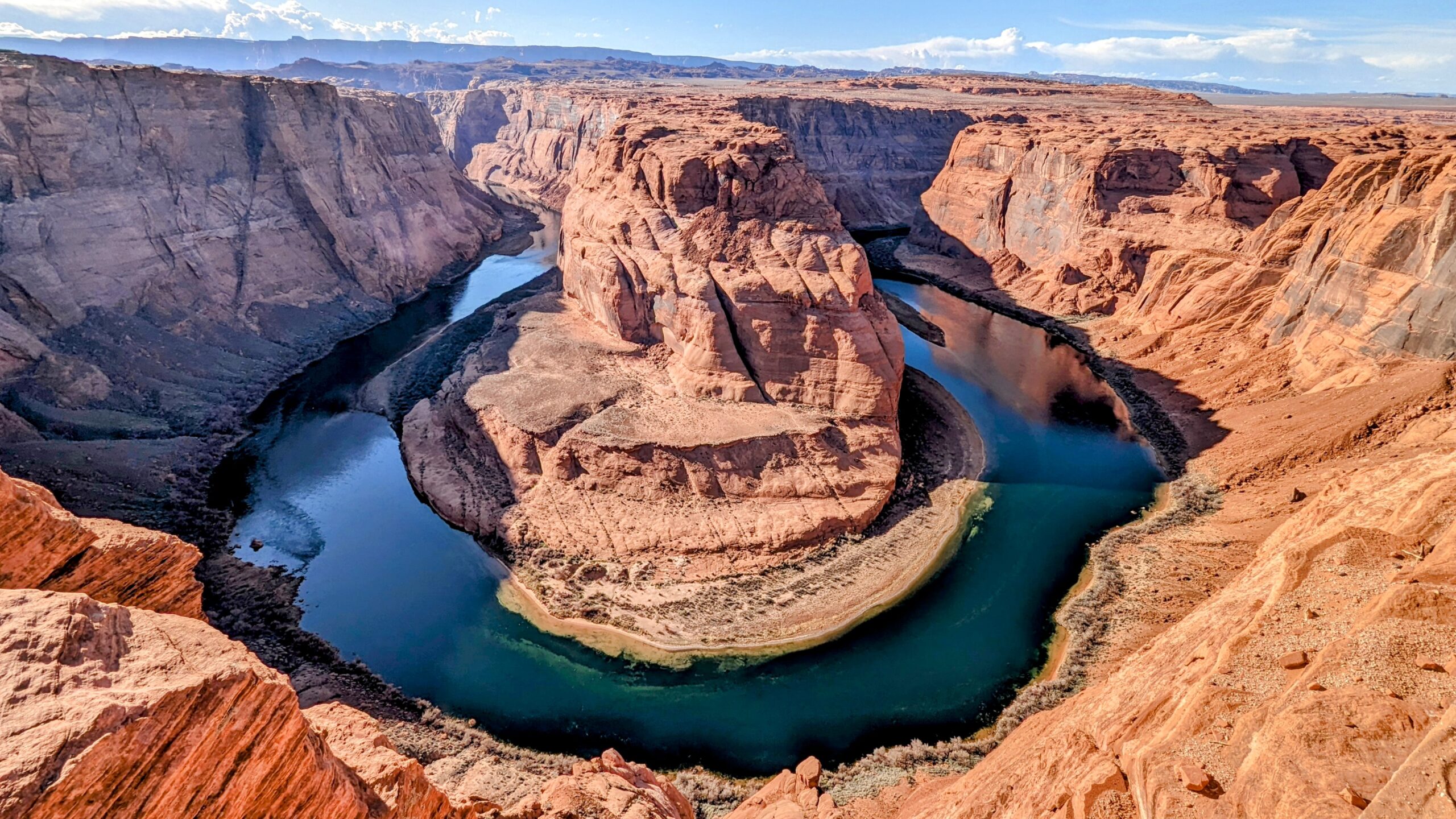
One of the most notable water bodies in North America is the Colorado River. At 1,450 miles long, the Colorado River supports millions of humans, animals, plants, and even agricultural development in some of the most scenic landscapes in the United States. But all that has been changing very quickly due to various factors.
In this article, we take a closer look at the wildlife, settlements, and the environmental conditions influencing life in and around the Colorado River.
The Colorado River Route
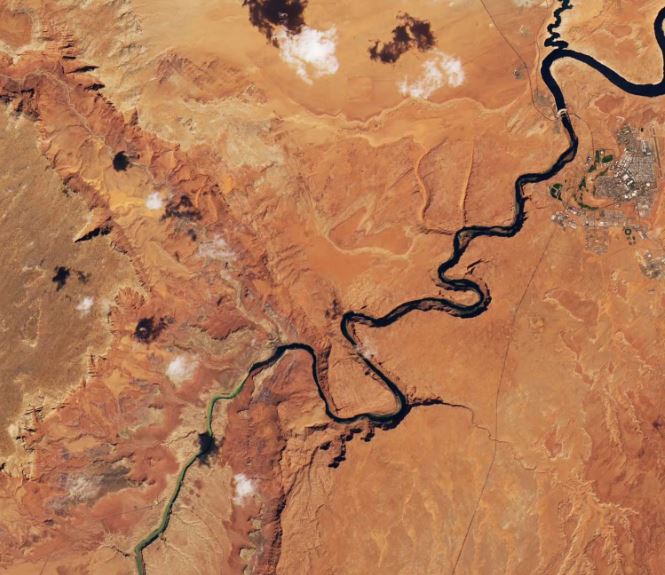
As its name suggests, the Colorado River starts in the Rocky Mountains in the state of Colorado. Then it moves further through Utah, Arizona, Nevada, and California to finally reach Mexico.
During its course, the Colorado River created one of the most impressive and famous geographic features – the Grand Canyon. There, it feeds into one of the unique ecosystems in the entire continent.
Wildlife in the Colorado River
The Colorado River is home to various forms of wildlife, which include several types of animals that exist only in this place. Some native fish species that are in this river are:
- Colorado pikeminnow
- Humpback chub
- Razorback sucker
- Bonytail chub
These creatures have adapted to life within the strong current of this river. However, several of them are endangered because of the lack of suitable habitat due to reduced water volume.
Other wildlife in the Colorado River includes:
- Bald eagle
- Great blue heron
- Beaver
- River otter
These animals use the river for survival.
Communities That Use the Water from the River
Over 40 million individuals use the water in the Colorado River in the western United States. Some major communities that get water from this river include:
- Los Angeles
- Las Vegas
- Phoenix
- San Diego
Farming communities also depend on water from this river to help irrigate their farms in desert locations, such as Imperial Valley.
Dams and Reservoirs
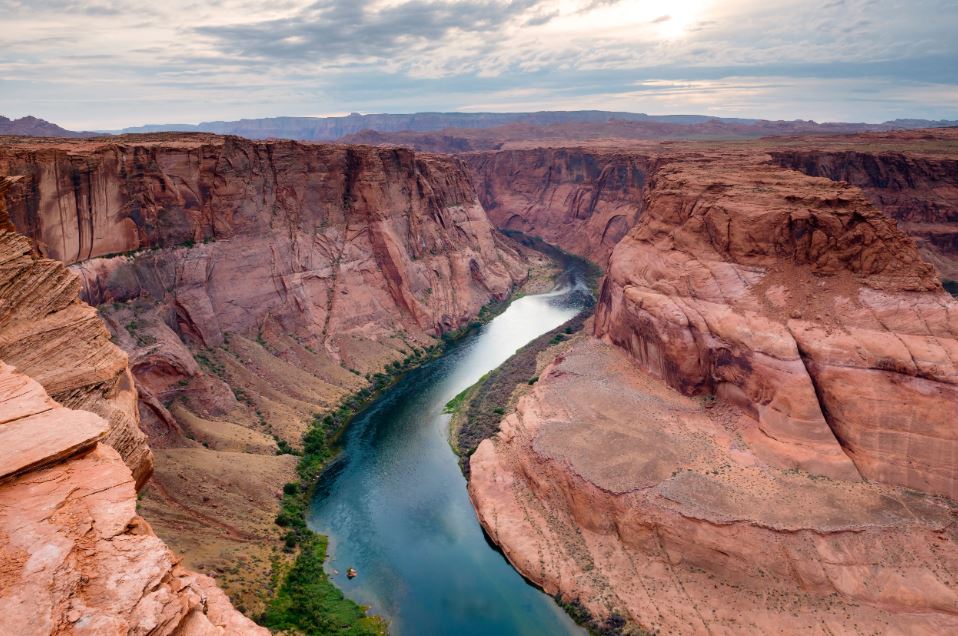
Several significant dams constructed along the river have greatly changed life in the Colorado River Basin. Some notable examples of dams are:
- Hoover Dam
- Glen Canyon Dam
These have formed large reservoirs like:
- Lake Mead
- Lake Powell
These reservoirs provide drinking water, irrigation, and hydroelectricity. But they have changed the water flow pattern and wildlife habitats in the region.
Environmental Threats
Life in the Colorado River faces increasing threats from many environmental problems.
Drought and Global Warming
The warming climate and less snowfall in the Rocky Mountains area have made the river’s water flow levels decrease.
Population Growth
Increased migration of people into the urban centers of the Southwestern U.S. has caused high demands on the river.
Loss of Habitat
The construction of dams and decreased water flow has had negative effects on the natural environment.
Over-exploitation of Water Resources
The river can be stretched past its physical boundaries, which creates sustainability issues that should be addressed over time.
Conservation Programs
The following conservation programs are being implemented by the government and environmental bodies to save the river:
- Water conservation
- Habitat restoration
- Protection of endangered species
- Effective water management programs
It is hoped that with these conservation programs in place, the Colorado River will be saved for generations to come.
Importance of the Colorado River
This river is highly important as it helps provide wildlife, human communities, agricultural practices, and even tourists with water resources. The Grand Canyon National Park and other national parks use the river as a source for their ecosystem and attract millions of tourists.
Without the Colorado River, the southwestern United States would not have the water resources to support its growing population.
Conclusion
Life in the Colorado River is essential, but vulnerable at the same time. Millions of people and animals rely on the river for survival. With climate change and increasing demands on water resources, it becomes critical to conserve the river now more than ever before.