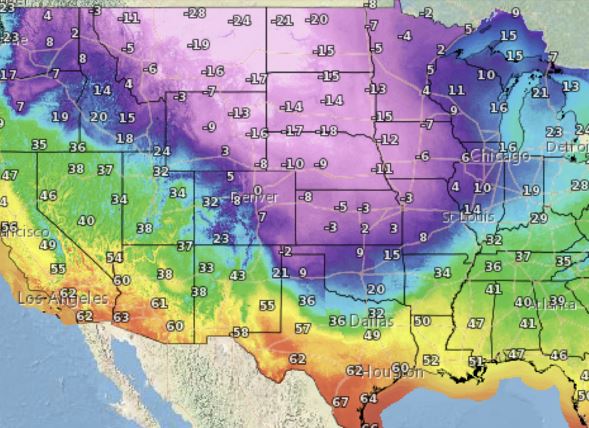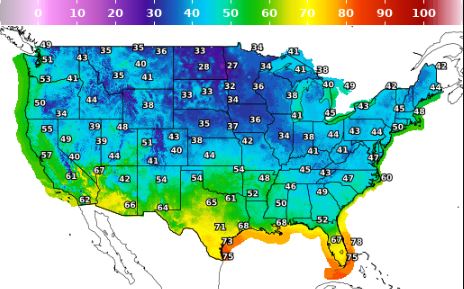
While much of the country has been eyeing the thermometer in hopes of consistent spring warmth, April 2026 is delivering a chilly reminder that winter rarely leaves without a fight. The National Weather Service (NWS) has issued a series of Freeze Warnings and Frost Advisories across several regions, including the Midwest, Mid-Atlantic, and Northeast.
As temperatures dip into the mid-20s and low-30s, the risk shifts from simple discomfort to potential damage for gardens, agriculture, and home infrastructure.
Current Regional Outlook
As of April 20, 2026, the cold snap is hitting hardest in the following areas:
- Southern Michigan: Temperatures have plummeted to as low as 25°F, following an unusually warm weekend. This “thermal shock” is particularly dangerous for early-blooming plants.
- Western Pennsylvania: Counties such as Armstrong, Butler, and Lawrence are under strict warnings with overnight lows hovering between 30°F and 32°F.
- Washington D.C. & Mid-Atlantic: A freeze warning is in effect for tonight, with a sharp rebound expected later in the week as highs climb back toward the 80s.
- Central Plains: Areas in Nebraska and Kansas remain “eligible” for warnings as the final frost dates for the season approach.
The “Four P’s” of Freeze Preparation
When an NWS Freeze Warning is issued, it means sub-freezing temperatures are imminent. Impact can be mitigated by focusing on four key areas:
1. Plants
Late-season freezes are the nemesis of gardeners.
- Cover Up: Use fabric, old blankets, or “frost cloths” to trap heat.
- Avoid Plastic: Never let plastic touch foliage directly, as it can transfer cold and trap moisture, causing more damage.
- Hydrate: Water your soil during the day; moist soil retains heat better than dry soil.
2. Pipes
Water expands when it freezes, which can lead to costly bursts.
- Drip the Faucets: A slow drip keeps water moving and relieves pressure.
- Drain the Outside: Disconnect garden hoses and shut off valves to exterior spigots.
- Open Cabinets: Keep sink cabinet doors open to allow warm household air to circulate around indoor plumbing.
3. Pets
If it’s too cold for you, it’s too cold for them.
- Bring them Inside: Domestic pets should be brought into heated spaces.
- Livestock Care: Ensure outdoor animals have windbreaks and extra bedding/dry hay to help them generate metabolic heat.
4. People
Cold weather safety isn’t just about staying warm; it’s about being smart.
- Check on Neighbors: Ensure the elderly or those in older homes have adequate heating.
- Space Heater Safety: Keep heaters at least three feet away from curtains or bedding.
- Layer Up: If you must head out, use three layers: a moisture-wicking inner layer, an insulating middle layer (wool/fleece), and a wind-resistant outer shell.
Looking Ahead: The “April Seesaw”
The good news for those tired of the cold is that this snap appears to be a “one-night wonder” for many. Forecasts suggest a significant warming trend will follow immediately. By mid-week, many of the regions currently under freeze warnings will see a dramatic swing, with temperatures rising into the 70s and 80s.
Until then, keep those blankets handy—for both your hydrangeas and yourself.
Note: A Freeze Warning is more serious than a Frost Advisory. While frost can form at 36∘F, a freeze warning is issued when temperatures are expected to stay below 32∘F for a period long enough to kill seasonal vegetation and damage outdoor pipes.