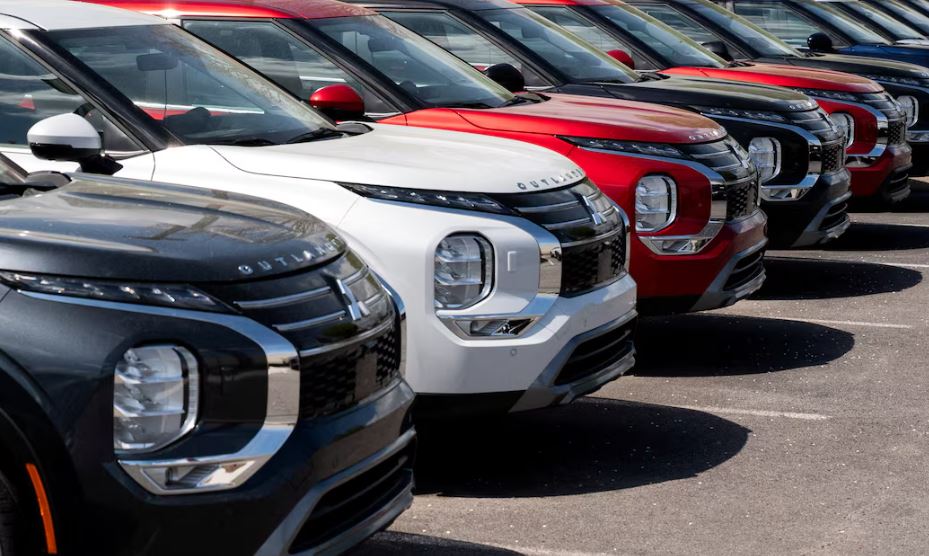
The recall reportedly impacts around 108,000 vehicles across multiple markets. While the exact models may vary by region, the issue is tied to a critical component failure that could affect vehicle safety and performance.
Most recalls of this scale typically involve systems like:
- Engine or transmission defects
- Faulty braking components
- Electrical or software malfunctions
In Mitsubishi’s case, early reports suggest a defect that could increase the risk of accidents if left unaddressed.
What Went Wrong?
At the heart of the recall is a manufacturing or design flaw. These issues usually arise from:
1. Component Defect
A supplier-provided part may not meet durability or safety standards. Even a small flaw can become dangerous over time.
2. Quality Control Gaps
Automakers rely on extensive testing, but sometimes defects only appear after vehicles are on the road in real-world conditions.
3. Engineering Oversight
In some cases, a system may function well under normal conditions but fail under stress, extreme weather, or long-term use.
How Serious Is the Problem?
While not every recalled vehicle will experience failure, the risk is significant enough that manufacturers must act quickly.
Potential dangers include:
- Sudden loss of control
- Reduced braking efficiency
- Engine stalling
- Electrical system failure
Even a small chance of these issues can lead to serious accidents, which is why recalls are issued proactively.
How Mitsubishi Is Responding
To address the issue, Mitsubishi Motors has taken standard recall steps:
- Notifying affected vehicle owners
- Offering free inspections and repairs
- Working with dealerships to replace faulty parts
- Coordinating with safety regulators
This is part of the company’s legal and ethical responsibility to ensure driver safety.
What Should Owners Do?
If you own a Mitsubishi vehicle, here’s what you should do:
- Check your VIN (Vehicle Identification Number) on official recall websites
- Contact your nearest authorized Mitsubishi service center
- Schedule a repair as soon as possible
- Avoid delaying fixes, even if your car seems fine
Repairs are typically free and may take only a few hours.
Impact on Mitsubishi’s Reputation
Large recalls can damage consumer trust, especially in a competitive market. However, how a company responds often matters more than the issue itself.
If handled transparently and efficiently, recalls can:
- Reinforce a brand’s commitment to safety
- Maintain customer loyalty
- Limit long-term reputational damage
Final Thoughts
The Mitsubishi recall highlights an important reality of modern vehicles: they are complex machines where even minor faults can have major consequences. While the defect itself is concerning, the swift recall action is a necessary step to protect drivers.
For owners, the key takeaway is simple—don’t ignore recall notices. Acting early can prevent accidents and ensure your vehicle remains safe on the road.