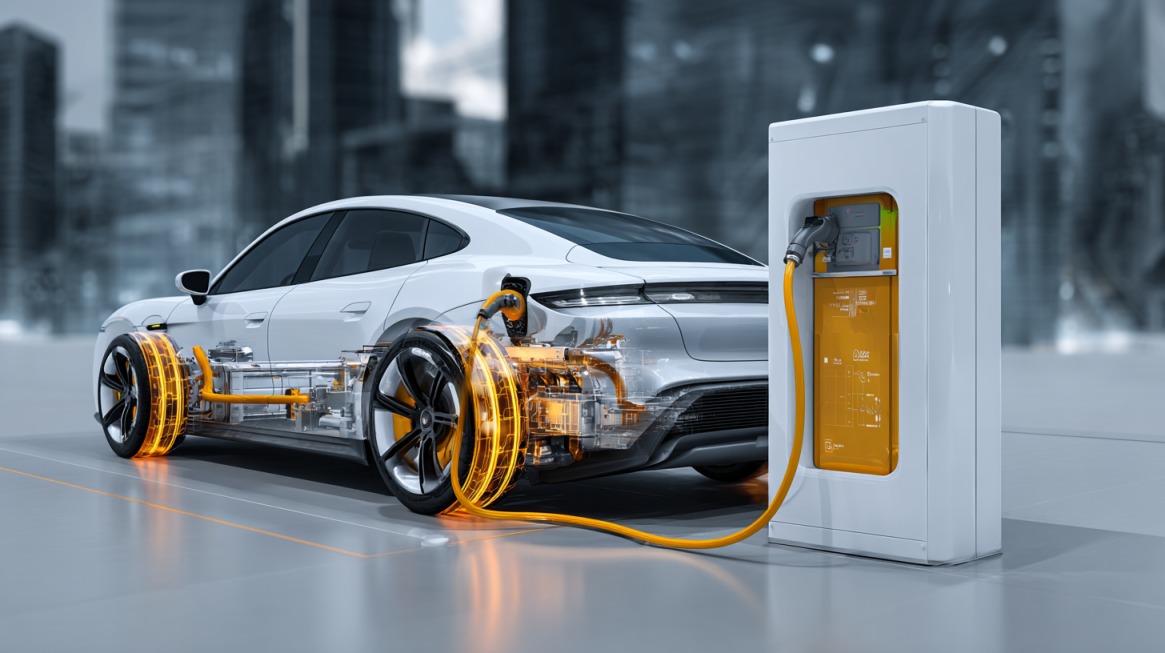
Many individuals think that the lifespan of electric cars ends within 8-10 years. In fact, the average electric car life span looks quite differently in America. The majority of the EV models are operational even 10 years later.
The following information reveals precisely what happens to electric cars in ten years’ time.
1. The Battery Capacity Decreases (but Not Completely)
In ten years, the most notable thing that will happen to an electric car is battery degradation, not battery breakdown.
- An EV battery will generally decrease in capacity by 1.8%-2.3% each year.
- After ten years, most batteries remain at 70%-85% of its initial capacity.
- An EV battery may work properly up to 12-15 years.
Example:
- Initial EV range: 300 miles
- Ten-year range: ~210-255 miles
This is a good enough range for daily transportation.
2. Most EVs Have Not Deteriorated In 10 Years
It does not mean that an electric vehicle becomes unrepairable after 10 years.
- The current models of EVs are built to endure 15-20 years.
- Research shows that electric vehicles could withstand up to 18.4 years.
- Electric motors have better life expectancy due to less wear and tear.
It implies that most of the EVs produced between 2014-2016 have been used until now.
3. Battery Replacement Is Not Common (But Still Doable)
However, battery replacement is considered the largest problem of all; fortunately, it rarely occurs.
- Only 1.5% of EVs require battery replacement since 2011.
- Battery replacement usually occurs under warranty
If battery replacement is required after 10 years:
Average Battery Replacement Cost (US)
- Small EV: $4,000-$10,000
- Medium-sized EV: $10,000-$18,000
- Large EV: $15,000-$30,000+
Additionally, prices for batteries decrease annually, which makes old EVs
4. Warranty Expires After 8–10 Years
Most American electric cars have:
- Warranty on battery for 8 years / 100,000 miles
- Warranty ensures that battery maintains at least 70% capacity for 100,000 miles or until the end of 8 years
After 10 years:
- The warranty expires
- However, the batteries still work
5. Electric Vehicles Are Affordable Pre-Owned Cars
After 10 years:
- Resale value of electric cars falls, just like other cars
- They become affordable pre-owned cars
Useful for:
- Driving in cities
- Secondary car for families
- Teens who drive
- Delivery services
This explains the rise in popularity of old electric vehicles in the second-hand car industry.
6. Maintenance Costs Remain Lower
After 10 years:
- Electric cars require:
- Tires
- Replacement brake fluid
- Air filters
- Suspension replacement
However, electric cars do not require:
- Repair of engine
- Changing oil
- Rebuilding transmissions
What Typically Happens After 10 Years (Simple Summary)
| After 10 Years | What Happens |
| Battery | 70–85% range left |
| Motor | Usually still strong |
| Maintenance | Still lower than gas cars |
| Resale Value | Lower but usable |
| Replacement | Rare but possible |
The Bottom Line
Ten years after the emergence of electric cars, they do not die off; they grow old. Most of them continue driving, maintaining the same range as before and being more affordable than their gasoline counterparts.
It appears that electric cars are expected to be just as durable if not more so compared to their gasoline counterparts in America.